


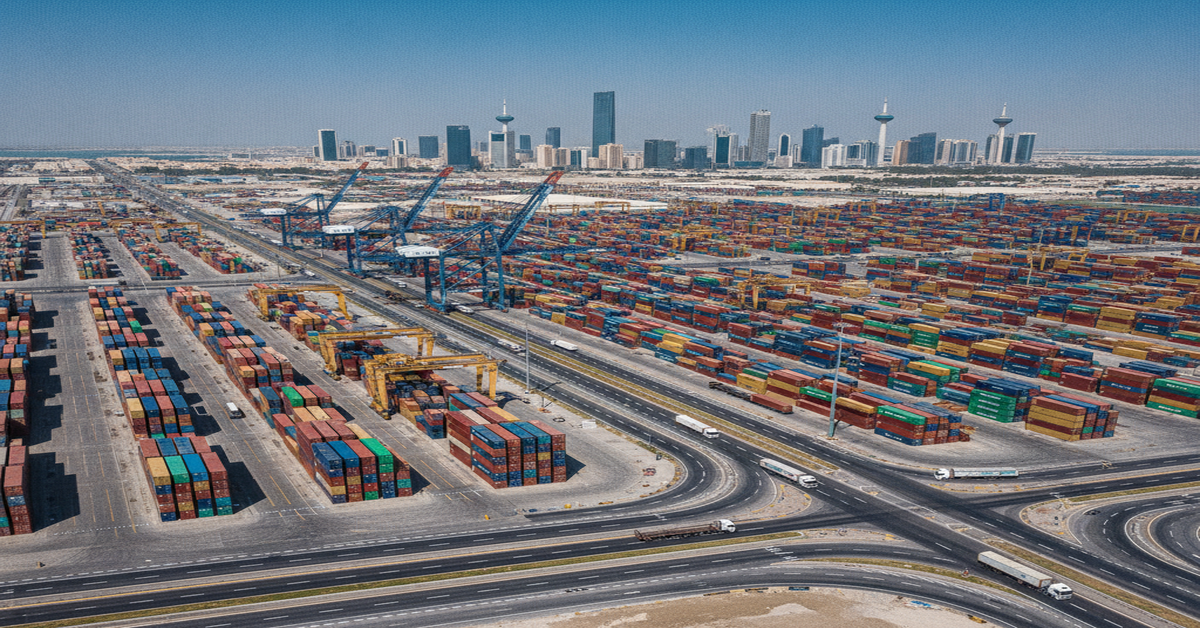
Kuwait Logistics Hub Development 2026: A Strategic Leap Forward
In the rapidly evolving landscape of global trade, Kuwait is positioning itself as a pivotal logistics and shipping hub by 2026. With strategic investments and infrastructure developments, Kuwait aims to transform its logistics capabilities, attracting industry professionals, investors, and stakeholders from around the globe. But what makes Kuwait’s logistics hub development a game-changer for the Gulf region?
The Vision for Kuwait’s Logistics Hub
Kuwait’s vision for 2026 is ambitious yet achievable. The country is leveraging its strategic geographical location, nestled between major trade routes, to become a central node in global logistics. The development plan includes expanding port facilities, enhancing transportation networks, and integrating cutting-edge technology to streamline operations. This initiative is not just about infrastructure; it’s about creating a seamless, efficient supply chain ecosystem that can compete on a global scale.
Strategic Location and Infrastructure
Kuwait’s location is a natural advantage, serving as a gateway between the East and the West. The development of the Mubarak Al Kabeer Port on Boubyan Island is a cornerstone of this strategy. Designed to handle over 1.8 million TEUs annually, this port will significantly boost Kuwait’s shipping capacity. Additionally, the expansion of the Kuwait International Airport and the development of the Kuwait National Rail Network are set to enhance connectivity and facilitate smoother cargo movement across the region.
Technological Integration
In the age of digital transformation, technology is at the heart of Kuwait’s logistics hub development. The integration of smart technologies, such as IoT and AI, will optimize supply chain operations, reduce costs, and improve efficiency. For instance, real-time tracking systems and automated warehousing solutions will enable faster processing times and enhance inventory management. This technological edge is crucial for attracting global logistics players and ensuring Kuwait remains competitive in the international market.
Economic Implications for the Gulf Region
The development of Kuwait’s logistics hub is poised to have significant economic implications for the Gulf region. By enhancing its logistics capabilities, Kuwait is set to become a major player in regional trade, driving economic growth and creating new business opportunities.
Boosting Regional Trade
Kuwait’s logistics hub will facilitate increased trade within the Gulf Cooperation Council (GCC) and beyond. By providing efficient and reliable logistics services, Kuwait can attract multinational corporations looking to establish a foothold in the Middle East. This influx of businesses will not only boost trade volumes but also stimulate economic diversification, reducing reliance on oil revenues.
Job Creation and Skill Development
The logistics hub development is expected to create thousands of jobs, ranging from construction and engineering to logistics management and technology. Moreover, the focus on technology integration will necessitate skill development programs, ensuring the local workforce is equipped to meet the demands of a modern logistics industry. This emphasis on human capital development is vital for sustaining long-term economic growth and stability.
Challenges and Opportunities
While the prospects are promising, the development of Kuwait’s logistics hub is not without challenges. Regulatory hurdles, environmental concerns, and geopolitical tensions could pose obstacles to progress. However, these challenges also present opportunities for innovation and collaboration.
Navigating Regulatory Landscapes
To ensure the success of the logistics hub, Kuwait must navigate complex regulatory landscapes. Streamlining customs procedures, enhancing transparency, and fostering a business-friendly environment are essential steps. By working closely with international partners and adopting best practices, Kuwait can overcome these regulatory challenges and create a conducive environment for logistics operations.
Environmental Sustainability
As Kuwait develops its logistics hub, environmental sustainability must be a priority. Implementing green logistics practices, such as reducing carbon emissions and promoting sustainable transport modes, will be crucial. By adopting eco-friendly initiatives, Kuwait can position itself as a leader in sustainable logistics, attracting environmentally conscious businesses and investors.
Conclusion: A Call to Action
Kuwait’s logistics hub development by 2026 represents a strategic leap forward for the country and the Gulf region. By capitalizing on its strategic location, investing in infrastructure, and embracing technology, Kuwait is set to become a central player in global logistics. For logistics professionals, investors, and stakeholders, now is the time to engage with Kuwait’s burgeoning logistics sector and explore the myriad opportunities it presents.