


Kuwait Real Estate Market 2026: Trends and Forecasts
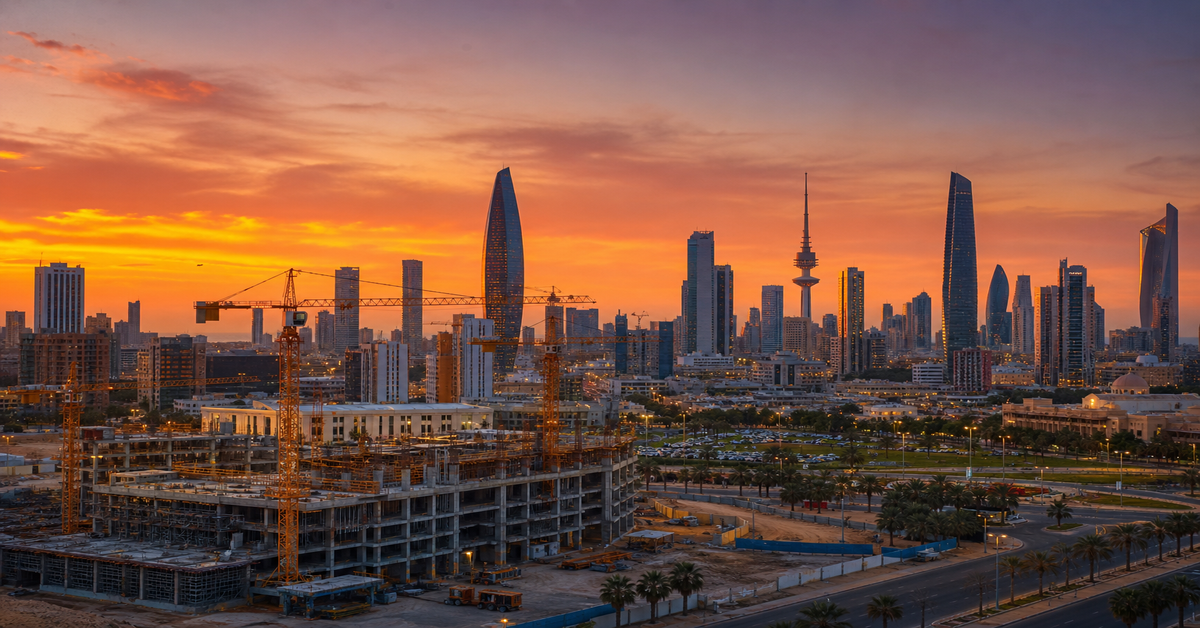
Imagine a bustling cityscape where modern skyscrapers meet traditional architecture, reflecting a vibrant real estate market poised for transformation. As we look toward 2026, the Kuwait real estate market is set to undergo significant changes driven by economic indicators, government policies, and regional developments. For investors, developers, and market analysts, understanding these trends is crucial for making informed decisions.
Economic Indicators Impacting Kuwait Real Estate
Kuwait’s economy is heavily influenced by its oil revenues, which account for a substantial portion of its GDP. As the world shifts towards renewable energy, Kuwait is diversifying its economy to reduce dependency on oil. This economic transition is expected to impact the real estate market significantly. The government’s Vision 2035 plan aims to transform Kuwait into a financial and trade hub, which will likely spur demand for commercial real estate.
Moreover, inflation rates and interest rates are critical economic indicators that will affect property prices and mortgage rates. As of 2026, a stable inflation rate is anticipated, which should maintain the purchasing power of potential buyers. However, any fluctuations in global oil prices could alter this stability, affecting the real estate market’s growth trajectory.
Government Policies Shaping the Market
Government policies play a pivotal role in shaping the real estate landscape. In recent years, Kuwait has introduced several reforms to attract foreign investment and stimulate the property market. The introduction of laws allowing foreign ownership in certain real estate sectors is expected to increase foreign investment, driving demand for both residential and commercial properties.
Additionally, the government’s focus on infrastructure development, such as the expansion of the Kuwait International Airport and the construction of new highways, will enhance connectivity and accessibility. These developments are likely to increase the attractiveness of real estate investments in the surrounding areas, contributing to market growth.
Regional Developments and Their Influence
Kuwait’s strategic location in the Gulf region positions it as a key player in regional trade and commerce. The ongoing geopolitical dynamics in the Middle East, including the normalization of relations with neighboring countries, could open new avenues for economic collaboration and investment. Such regional developments are expected to boost investor confidence and increase demand for real estate in Kuwait.
Furthermore, the rise of smart cities and technological advancements in neighboring countries may influence Kuwait’s real estate market. The integration of smart technologies in real estate projects could become a significant trend by 2026, enhancing the value proposition of properties and attracting tech-savvy investors.
Forecasting Property Values in 2026
Forecasting property values involves analyzing various factors, including supply and demand dynamics, economic conditions, and market sentiment. By 2026, the demand for residential properties is expected to rise, driven by population growth and urbanization. The government’s focus on affordable housing projects will also play a crucial role in meeting this demand.
On the commercial front, the development of new business districts and the expansion of existing ones will likely increase the demand for office spaces. As Kuwait continues to position itself as a regional business hub, property values in prime locations are expected to appreciate.
Investment Opportunities in the Kuwait Real Estate Market
For investors, the Kuwait real estate market in 2026 presents a plethora of opportunities. The residential sector offers potential for high returns, particularly in areas undergoing infrastructure development. Additionally, the commercial sector, with its focus on retail and office spaces, provides lucrative investment prospects.
Investors should also consider the emerging trend of mixed-use developments, which combine residential, commercial, and recreational spaces. These developments cater to the growing demand for integrated living and working environments, making them attractive investment options.
In conclusion, the Kuwait real estate market in 2026 is poised for growth, driven by economic diversification, government reforms, and regional developments. Investors and stakeholders must stay informed about these trends to capitalize on the opportunities presented by this dynamic market. For those looking to navigate the complexities of the Kuwait real estate landscape, partnering with a knowledgeable agency like UCT Digital can provide the insights and guidance needed to make strategic investment decisions.